Materials being joined
Tell us what is being fixed to what. Timber, metal and masonry connections can call for different fixing types.
Put fixings, adhesives and sealants on the list early. Match them to the materials, exposure and job they need to do.
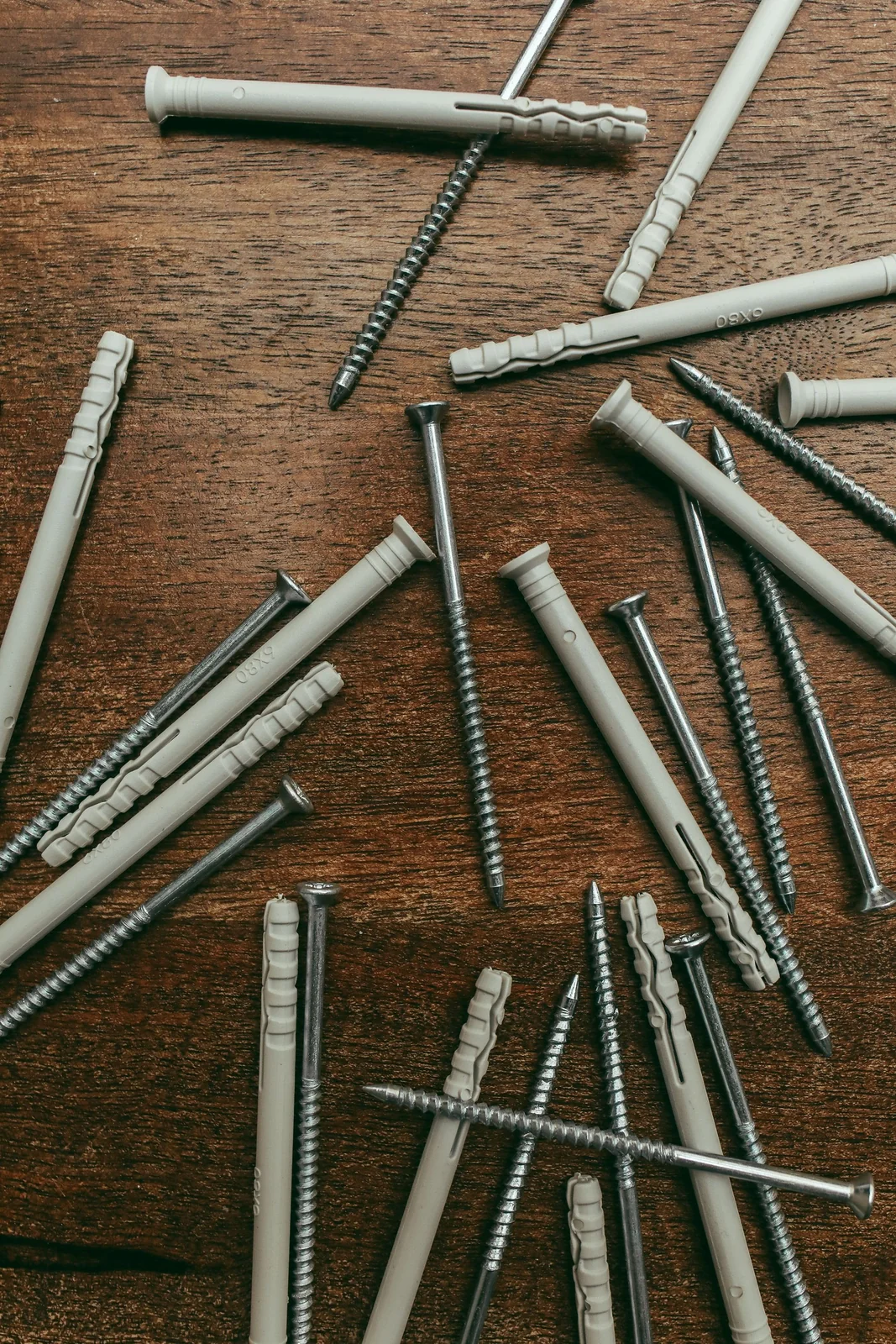
Representative material photograph. Confirm product and stock details when you enquire.
Bring the requirements from your plans, along with quantities and preferred timing.
Talk to usTell us what is being fixed to what. Timber, metal and masonry connections can call for different fixing types.
Include the required dimensions, finish and whether the connection is indoors or exposed. Use the fixing specified for the application.
Check pack quantities and associated components. A short hardware schedule can help avoid missing the small items when planning the main materials.
A materials list is not complete until the connections and finishing details have been considered. Fixings, adhesives and sealants need to be matched to the materials and application, rather than selected on appearance or size alone.
Use the fixing schedule or product instructions where available. Describe what is being joined, where the connection will be used and any specified finish or performance requirement. Keep product selection separate from quantity checking so both parts can be reviewed before ordering.
Identify both materials in the connection and provide the fixing specified for the work. Record the diameter, length, head or drive type and quantity where those details are known.
Describe the surfaces, location and intended application. Bring the product reference or requirements from the specification and check the instructions for the proposed selection.
List the small components alongside the main materials. Include the sizes, finish and number of units, and identify any matching or replacement requirements.
Keep your specification and quantity schedule together. You can organise the notes with our materials checklist, then call 1800 929 219 to discuss your enquiry.
Length is only one part of the specification. Identify the materials and application, and have the suitability of a proposed replacement checked before using it. Bring the original reference or fixing schedule if available.
Make a separate hardware schedule and cross-check it against each main material category. Count in consistent units and distinguish individual pieces from packs. Keep associated components on the same line or directly beneath the main item.
Bring your list. We’ll talk through the next step.